

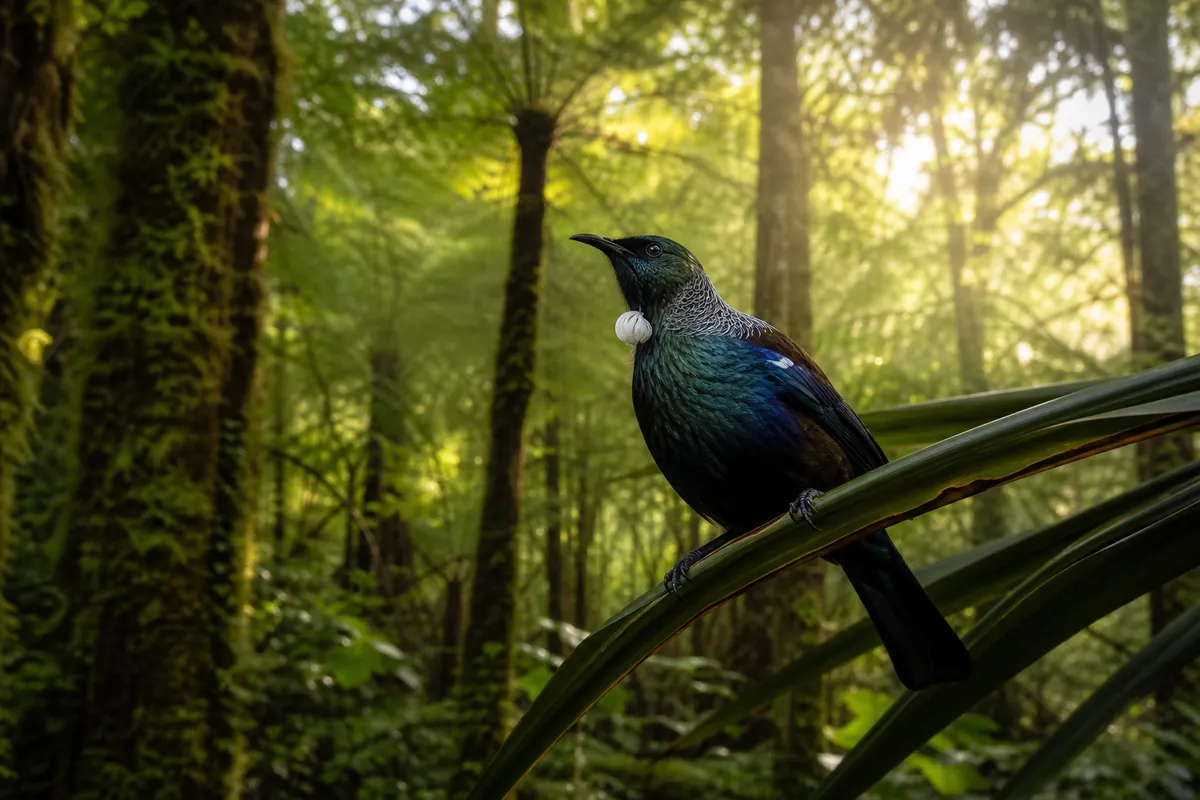
Rising from the farmland south of Cambridge, Maungatautari is a forested mountain wrapped in 47 kilometres of predator-proof fence — one of the largest fenced ecological 'islands' on mainland New Zealand, and a glimpse of the country as it sounded before mammals arrived.
An ark for native wildlife
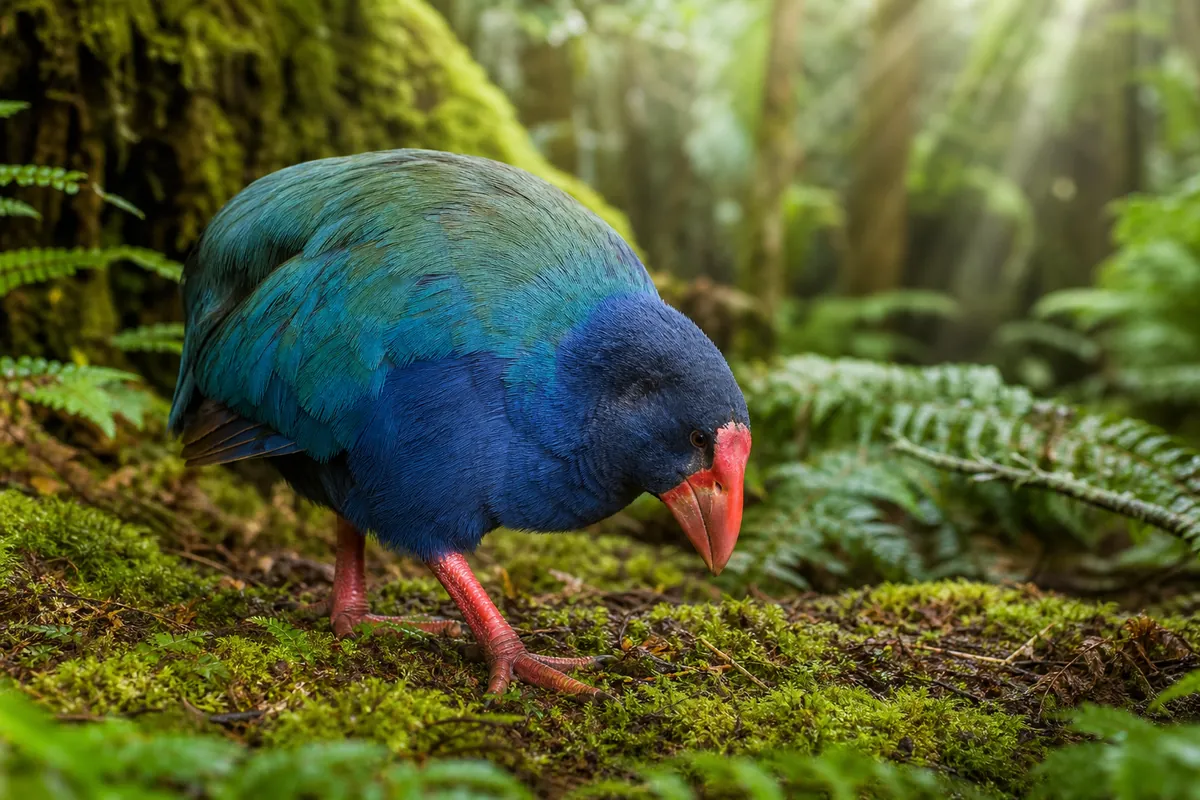
Behind the fence, introduced predators — rats, stoats, possums — have been removed, letting the forest and its birds recover. The reserve is home to takahē, kākā, hihi, kōkako, brown kiwi and the ancient reptile the tuatara, among towering rimu and rātā. The dawn chorus here is the real thing: loud, layered and increasingly rare elsewhere.
Conservation rangers and thousands of volunteers maintain the fence and monitor the species; many of the birds you will see were reintroduced as part of New Zealand's wider recovery effort.
Visiting
Walking trails of varying length cross the reserve, from short loops to a full traverse over the summit. A guided tour greatly improves your chances of spotting the rarer birds and of understanding the project; self-guided visits are also welcome, and entry helps fund the sanctuary's work.
Getting there
The southern enclosure is about a 30-minute drive from Cambridge and 45 minutes from Hamilton, through classic Waikato farmland. Check access points and opening times before you set out, as they vary by season.
When to go
Birdsong is strongest early in the day and in spring. Bring sturdy shoes, water and a rain layer — this is a working forest, not a manicured park, and the weather can change quickly.
Holiday-In-Waikato is an independent guide. We do not sell tickets — please check the official operator for current times, prices and bookings.